


The fintech sector continues to be a prime target for cybercriminals, necessitating the tightening of security measures across financial institutions. Recent cybersecurity threats highlight vulnerabilities that need immediate attention from both established banks and emerging fintech companies.
One of the most significant incidents in recent weeks involved a coordinated ransomware attack on a mid-sized regional bank. This attack resulted in the temporary shutdown of the bank's online services, impacting thousands of customers. The bank's response, though swift, exposed the limitations in its cybersecurity protocols and emphasized the need for a robust incident response plan.
Ransomware is not the only threat that financial institutions face today. Phishing attacks, aimed at compromising sensitive customer information, have become increasingly sophisticated. Fraudsters are leveraging AI technology to craft convincing fake communications, making it challenging for customers to distinguish them from legitimate communications. This evolving threat landscape calls for an industry-wide approach to enhancing both prevention and detection measures.
One effective strategy employed by leading fintech firms is adopting a zero trust architecture. By assuming no entity is inherently trusted within or outside its perimeters, financial institutions can implement stringent identity verification processes. This architecture restricts access to sensitive information unless users can consistently prove their identity, minimizing the potential for insider threats.
Additionally, with the introduction of more complex financial applications, the use of advanced encryption technologies has become a necessity. End-to-end encryption ensures that data remains secure during transmission and when stored, greatly reducing the risk of unauthorized access.
Furthermore, regulatory compliance should not be viewed as a burden but as a critical component of a comprehensive cybersecurity strategy. Aligning with standards such as the General Data Protection Regulation (GDPR) and the Cybersecurity Maturity Model Certification (CMMC) can significantly strengthen security postures and build customer trust.
Investment in employee training is another crucial aspect of strengthening cybersecurity. Regular workshops and training sessions ensure that all employees recognize potential threats and adhere to security best practices. By fostering a culture of cybersecurity awareness, financial institutions can transform their workforce into the first line of defense.
As the fintech sector continues to innovate, cybersecurity must evolve alongside it. By learning from recent threats and investing in cutting-edge security measures, financial institutions can protect their digital assets and maintain the trust of their customers.
Estimated reading time: 1 minute, 59 seconds
Strengthening Financial Sector Cybersecurity: Lessons from Recent Threats Featured
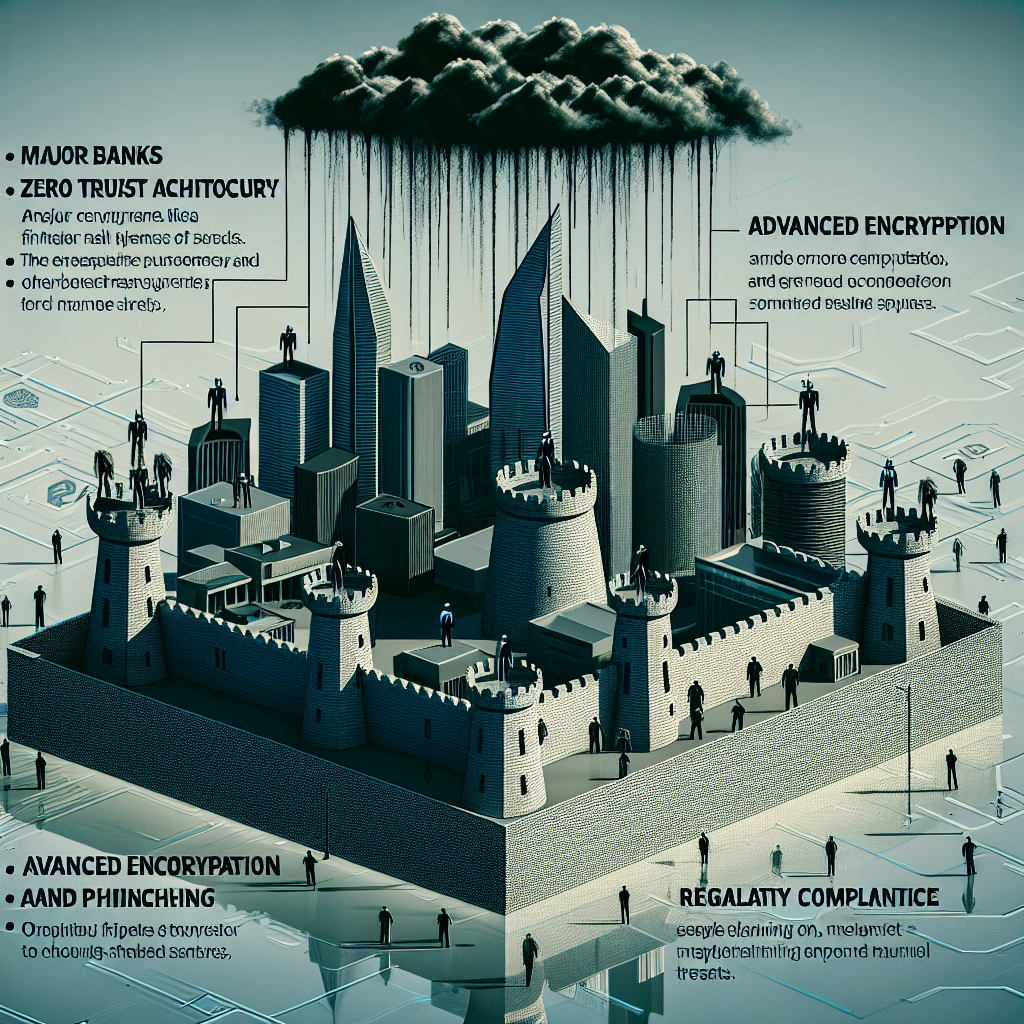 Explore the latest trends in strengthening cybersecurity within the fintech sector, focusing on recent threats and effective prevention measures.
Latest from Fin Tech Brief
- The Surge of Institutional Investment in Cryptocurrency
- Blockchain Beyond Cryptocurrency: Transforming the Financial Landscape
- Cryptocurrency's Current Rollercoaster: Insights from Recent Trends
- The Impact of Blockchain on Financial Institutions
- The Rise of Fintech Giants: How New Technologies are Shaping the Financial Landscape


Most Read
-

-
Apr 27 2019
-
Written by FinTech News Brief Staff
 The Securities and Exchange Commission announced the concept of digital…
-
-
-
Sep 03 2020
-
Written by FinTech News Brief Staff
 The IRS issued new guidance indicating cryptocurrency earned from crowdsourcing-based…
-
-
-
Sep 24 2020
-
Written by FinTech News Brief Staff
 MicroStrategy Inc. became the first public company to invest “the…
-
-

-
Sep 21 2018
-
Written by Jacob Roberts
Online software vendor Kashoo is forming focus group to react…
-